Does Early Money Matter In Horse Racing?
Does Early Money Matter In Horse Racing?
Few topics generate more debate among racing bettors than early money.
Some punters follow every steamer.
Others dismiss market support entirely.
Most claim overnight moves are meaningless – entirely incorrect.
The truth sits somewhere in the middle.
What Is Early Money?
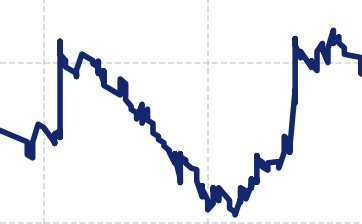
Early money refers to support arriving during the early stages of market formation.
This often occurs between market opening and mid-morning.
The horse’s odds shorten as confidence builds.
Does Early Money Matter?
Yes.
But not always for the reasons people think.
A horse attracting support suggests that somebody wants to back it.
That alone does not guarantee success.
The more important question is whether the horse has attracted similar support before.
What DC Network Data Suggests
Our research shows that repeated early support is often more significant than isolated support. This highlights the claims of “backing overnight being wrong” as entirely incorrect.
A single market move may be random.
A horse repeatedly attracting early money before strong performances is much harder to dismiss.
This principle sits at the heart of Market Form.
The Difference Between Noise And Information
Not every early move matters.
Some are reactions.
Some are rumours.
Some disappear by race time.
Others become part of a recurring behavioural pattern.
The challenge is identifying which is which.
Why Historical Context Matters
Most punters ask:
“Has the horse been backed today?”
Market Form asks:
“Has the horse been backed like this before?”
The second question is usually far more useful.
Final Thoughts
Early money matters.
But repeated early money matters far more.
The real edge lies not in following every market move, but in identifying the horses that repeatedly attract support before running well.