
How To Read A Racecard
The complete terminal guide to decoding the complex data streams found on a standard racecard. Master form figures, weight allowances, and connection stats to find the edge.
Form Decoding
Weight & Class
Market Signals
Mastering the Racecard
If you’re new to horse racing, the racecard can look like a jumble of numbers and abbreviations. But once you understand it, it becomes your roadmap to every race — showing form, class, trainers, and trends at a glance.
The Essentials
1. The Basics
A racecard is a guide to the day’s races, listing each runner and key details about their record, age, weight, and connections. Each line tells a story about where the horse has been and the shape it’s in.
2. Horse Number & Name
The number matches the saddlecloth. The name follows, and you will often see a country code like “(IRE)” indicating where the horse was bred.
3. The Form Figures
These show recent performance (read from left to right, oldest to newest).
Key Codes: F (Fell), P (Pulled up), U (Unseated), B (Brought down), R (Refused), 0 (Finished outside top 9).
4. Age & Weight
Example: “5 9-3” means a 5-year-old carrying 9 stone 3 lbs. Weight is crucial in handicaps to level the playing field.
5. Jockey & Trainer
Identified as J: (Jockey) and T: (Trainer). Knowing who is in the saddle or preparing the horse is vital, as specialists often excel at specific tracks.
6. Official Rating (OR)
Assigned by the handicapper; higher numbers indicate better horses. The difference in ratings is used to determine weight allocation in handicap races.
7. Draw
Relevant for Flat races, this is the starting stall. At certain tracks, low or high stalls can provide a significant statistical advantage.
8. Course & Distance Symbols
C (won at course), D (won over distance), CD (won over both). These are strong indicators of proven ability in current conditions.
9. Headgear & Notations
Equipment like Blinkers (B), Visor (V), Cheekpieces (CP/p), Tongue-tie (T), or Hood (H) suggests adjustments made to help the horse’s focus or performance.
10. The Odds
Shows the market value. Shorter odds suggest a higher probability of winning but a lower return; longer odds suggest the opposite.
Bonus Tip: Read the Story, Not Just the Numbers
Racecards show patterns, not the future. Look for context: Has the horse been dropped in class? Is the ground softer or firmer today? Has a top jockey been booked? Once you learn to interpret these, you move from guessing to analyzing.
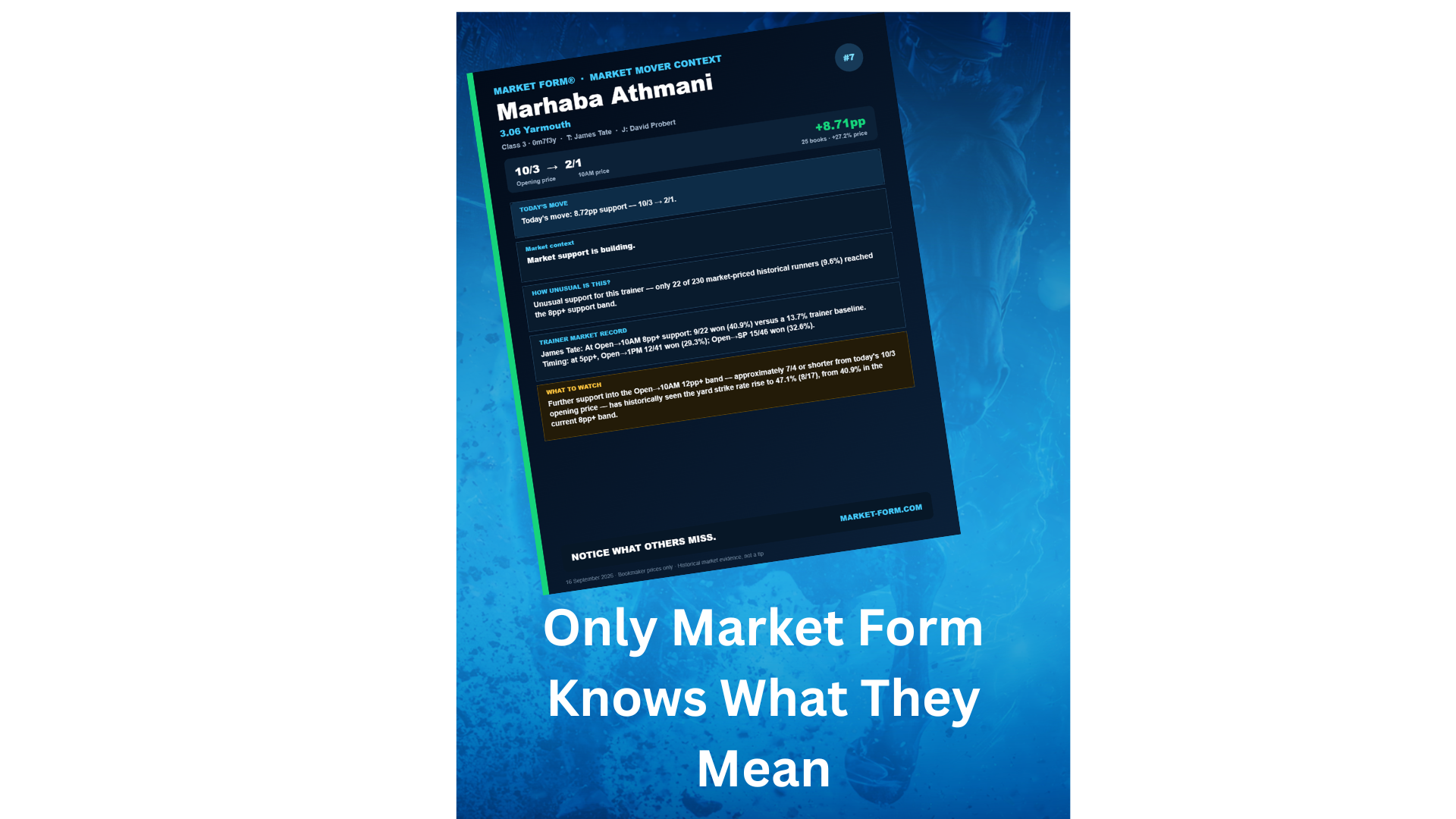


The section on decoding form figures really clarified how to interpret those confusing letters like P and U. I’ve been using a similar analysis method for years with Beat the Bookie – Horse Racing, which helps break down recent performance trends so you can spot when a horse might be out of shape before the race even starts.